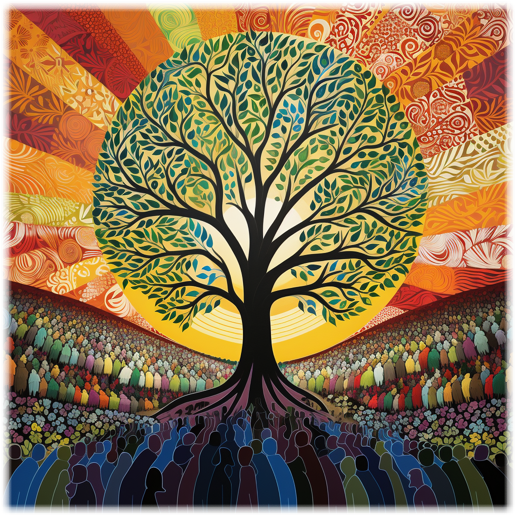
Introduction
In any polarized conflict, it’s easy to become entrenched in an “us versus them” mindset. Both sides feel certain of their own righteousness and convinced the other side is utterly misguided. Everything becomes a zero-sum struggle between competing interests, needs, and worldviews. Any nuance or middle ground gets lost in a fog of mistrust and animosity.
Yet if we make the sincere effort to look beyond superficial differences, we often find people share more common hopes, experiences, and values than expected. This humanity, so easily forgotten amid polarized rhetoric, can serve as the starting point for mutual understanding and reconciliation.
Consider some of the hopes people hold in common – security, dignity, family, generational future, faith, education, meaningful work. While the paths taken may differ, the destination people seek is much the same.
Even bitter opponents likely love and laugh, grieve and hope in similar ways.
However, in times of unrest, it becomes tempting to ignore these common bonds and focus only on differences – magnifying and amplifying the distinctions that keep us opposed versus the fundamentals that could bring us together. We fail to recognize that the most extreme voices rarely represent most people’s wishes on any side of a conflict. Every community contains diversity of thought and moderates longing for peace.
For change to occur, we must ambitiously set out to seek out a shared humanity first.
Small steps of practical cooperation on mutual concerns can begin to humanize perceived enemies. Exploring each other’s cultures with humility allows stereotypes to dissolve. This builds the fragile trust needed for addressing historic wounds – without blame for the past perpetuating its divisions today.
By acknowledging the fundamental qualities all people hold in common before confronting the hurts that still divide, seeds of reconciliation can be sown. Our common pulse still beats, however faint, waiting to be rediscovered when courage and will permit. Let us listen for it.
Exploring commonalities
Despite surface differences that often divide us, most people share certain fundamental hopes and values that transcend group divisions. Though not an exhaustive list, the desire for safety, purpose, belonging, and dignity unite us all. Extending this, the drive to provide for family, help others, and appreciainge life’s simple joys form a common thread.
Reverence for the past and aspirations for the future are widely held.
In a polarized climate, recognizing our shared humanity takes conscious effort yet offers inroads to mutual understanding.
Here are some examples of commonalities and to expand/emphasize on the points above:
- Longing for freedom and autonomy over one’s life path.
- Desire to provide for one’s family and excel in meaningful work.
- Taking joy in landmarks of life – weddings, births, holidays with loved ones.
- Finding release, fun and adventure through sports, hobbies, culture.
- Wanting respect and to have one’s voice heard, experiences validated.
- Taking pride in one’s community, homeland, heritage.
- Belief in loyalty, sacrifice, service to benefit others.
- Reverence for history and sacrifices of predecessors.
- Instinct to help those in crisis, as oneself would want to be aided.
- Appreciation for acts of courage in protection of the vulnerable.
- Respect for wisdom and guidance of elders who’ve lived through much.
- Curiosity to understand how others live and view the world.
- Faith that reconciliation is possible when pursued earnestly.
Part I Conclusion
When conflicts seem intractable, it can be tempting to descend into despair – to assume divisions run too deep and mutual understanding remains out of reach.
The path to reconciliation starts by acknowledging our shared humanity before confronting all else that still divides us. Across chasms, perceived enemies hold fundamental qualities in common.
In unfamiliar faces, let us see glimpses of ourselves.
Only then can a journey of addressing present injustice in an equitable way begin.
We must start with the simple, radical act of recognizing our common bonds as fellow human beings.
In this rediscovered kinship lies the seed of hope for breaking cycles of conflict.
Part II coming soon. Here are some questions to consider when evaluating any conflict.
Thought Provoking Questions
- What assumptions do you hold about groups in conflict with your own? Where might common ground exist?
- How might we better understand the human experiences driving opposing perspectives?
- What regular interactions could build trust and insight between divided communities over time?
- What does it mean to open your mind and heart to those branded as enemies? How do we find the courage to do so?
- How might we constructively channel anger at injustice into advocacy rooted in empathy?
- What gives you hope that with sufficient will and compassion, even historic conflicts could shift course?
 Personal Blog